Why this keyword matters
People searching for a stroke order lookup are not browsing casually. They usually have an immediate writing problem to solve.
That is why a useful article must focus on practical lookup scenarios instead of abstract theory.
Three common lookup use cases
Checking a single character, checking a character inside a word, and verifying a mistake you keep repeating are the most common cases.
Those are also the cases where animation plus practice creates the best result.
How to make lookup faster
Save common characters, group repeated mistakes, and build a short review list instead of searching from scratch every time.
For parents and teachers, it helps to organize errors by structure type, not only by lesson.
Why lookup alone is not enough
Looking up stroke order tells you the standard, but repetition is what fixes the habit.
If you combine lookup with guided writing practice, errors drop much faster.
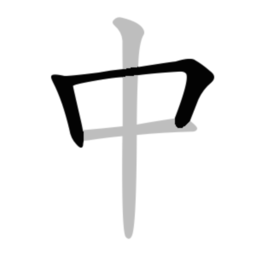
Knowing is not enough
An article can confirm the rule, but stable handwriting comes from checking the animation and practising the character in the app.
FAQ
- Is checking once enough?
- Usually no. Repeatedly wrong characters should be reviewed and practiced after lookup.
- Should I check every character in a word?
- Check the characters that are easy to confuse or frequently written in the wrong order.
Related Reading
Chinese Stroke Order Rules: How to Remember the Basics
Users often search for the rule before they search for the character.
Read articleCommon Chinese Stroke Order Mistakes and How to Fix Them
The real problem is often not one character, but one repeated mistake pattern.
Read articleYong Stroke Order: Why This Character Matters
Yong is one of the most searched single characters in stroke order learning.
Read articleRen Stroke Order: Why Learners Reverse It
Simple characters are often the easiest ones to get wrong.
Read article